E-Commerce: What It Is and How It Works
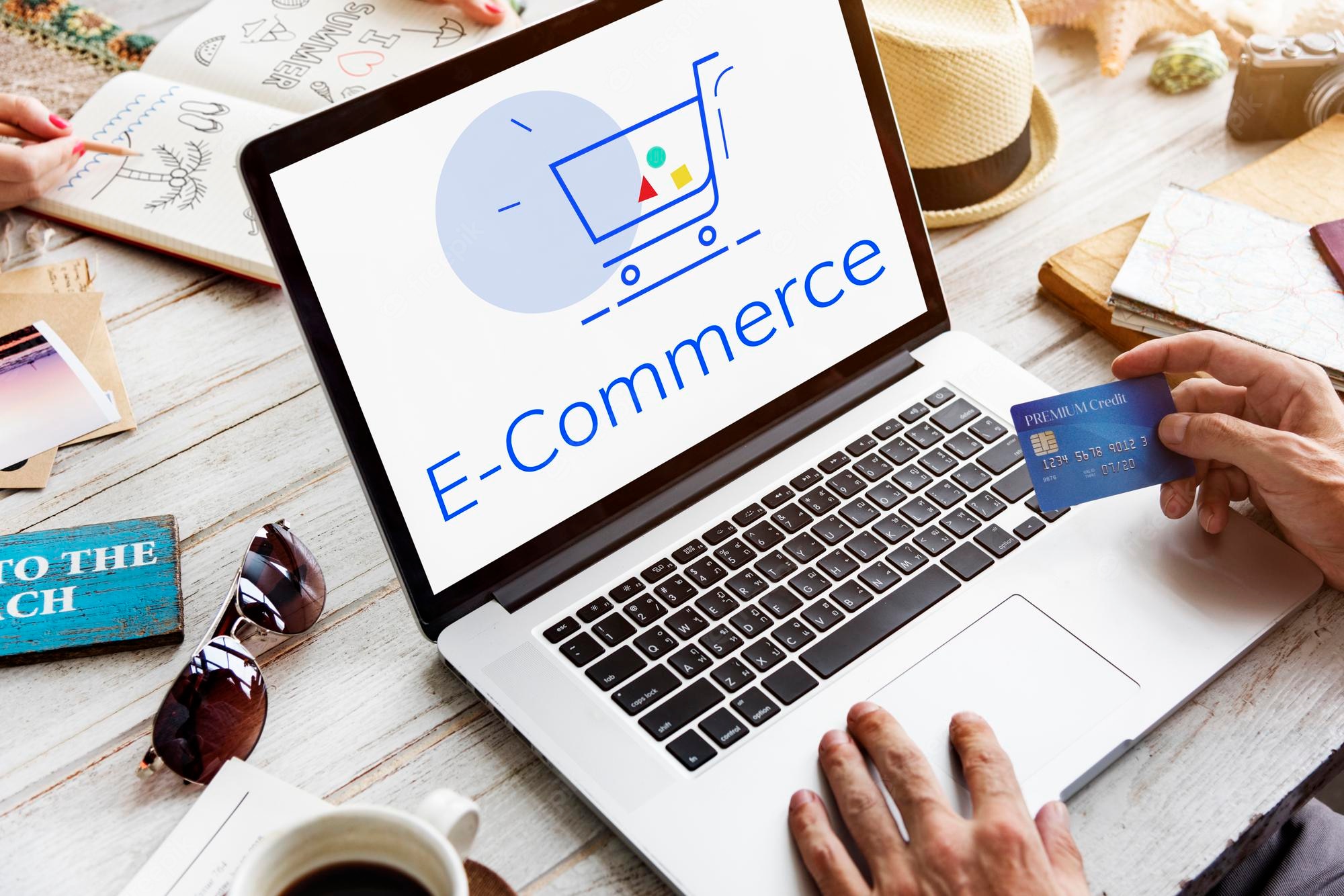
E-commerce, or electronic commerce, refers to the buying and selling of goods and services online. It is a broad term that encompasses many different types of businesses, from small businesses that sell handmade goods to large corporations that sell a wide variety of products.
E-commerce has grown rapidly in recent years, and it is now one of the largest sectors of the global economy. In 2022, global e-commerce sales reached $5.5 trillion, and they are expected to continue to grow in the years to come.
There are many benefits to e-commerce for both businesses and consumers. For businesses, e-commerce allows them to reach a global audience and sell their products 24/7. For consumers, e-commerce offers convenience, choice, and competitive prices.
How e-commerce works
E-commerce transactions typically take place through a website or mobile app. Consumers browse the website or app, select the products they want to buy, and add them to their shopping cart. Once they are finished shopping, they proceed to checkout and enter their payment information. The business then ships the products to the consumer's address.
There are two main types of e-commerce businesses:
- Business-to-consumer (B2C) e-commerce: This type of e-commerce involves businesses selling products and services to consumers. Examples of B2C e-commerce businesses include Amazon, eBay, and Walmart.com.
- Business-to-business (B2B) e-commerce: This type of e-commerce involves businesses selling products and services to other businesses. Examples of B2B e-commerce businesses include Alibaba, Global Sources, and TradeKey.
The benefits of e-commerce
There are many benefits to e-commerce for both businesses and consumers.
For businesses, e-commerce offers the following benefits:
- Global reach: E-commerce allows businesses to reach a global audience without having to open physical stores in different countries.
- 24/7 sales: E-commerce businesses can sell their products 24 hours a day, 7 days a week.
- Lower costs: E-commerce businesses have lower costs than brick-and-mortar businesses, as they do not have to pay for rent, utilities, or sales staff.
- Greater insights into customer behavior: E-commerce businesses can collect a wealth of data on customer behavior, which they can use to improve their products and services.
For consumers, e-commerce offers the following benefits:
- Convenience: E-commerce allows consumers to shop from the comfort of their own homes, at any time of day or night.
- Choice: E-commerce businesses offer a wide variety of products, so consumers have more choice than they would at a brick-and-mortar store.
- Competitive prices: E-commerce businesses often have lower prices than brick-and-mortar stores, as they have lower costs.
- Easy price comparison: E-commerce makes it easy for consumers to compare prices from different retailers.
The future of e-commerce
E-commerce is still in its early stages of development, and it is expected to continue to grow rapidly in the years to come. Some of the trends that are driving the growth of e-commerce include:
- The increasing popularity of mobile devices: More and more people are using their smartphones and tablets to shop online.
- The rise of social commerce: Social media platforms such as Instagram and Facebook are making it easier for businesses to sell their products and services online.
- The growth of emerging markets: E-commerce is growing rapidly in emerging markets such as China and India.
E-commerce is changing the way we shop, and it is expected to have an even greater impact on our lives in the years to come.
إرسال تعليق